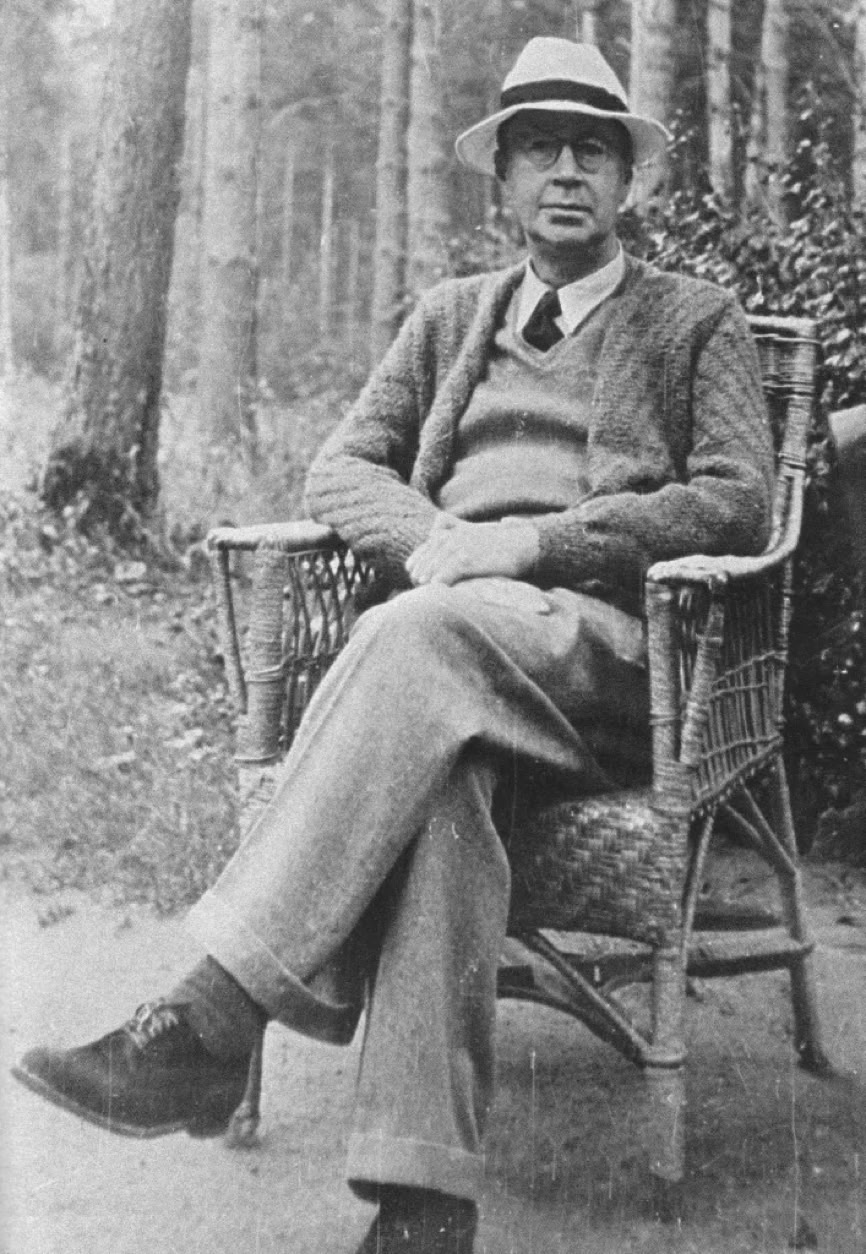
Sergei Prokofiev
(1891-1953)
Symphony No. 5
Program Notes
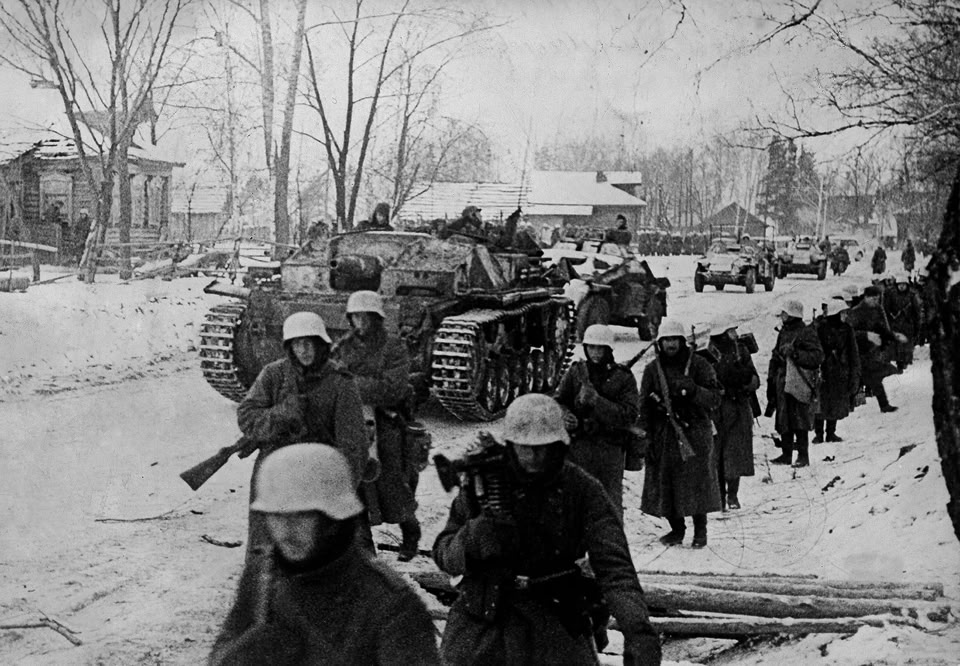
German units marching at the Battle of Moscow (1941-42)
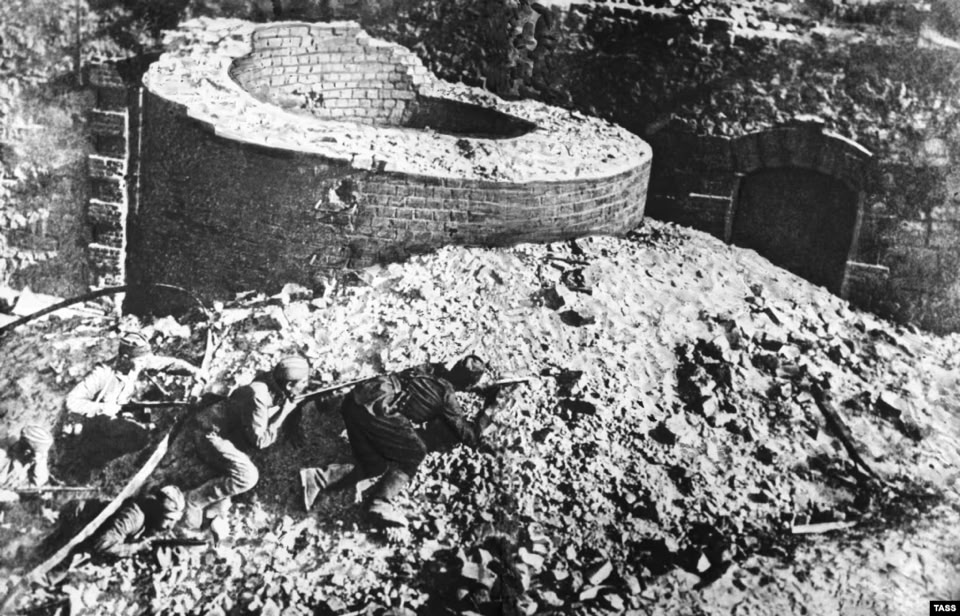
Street fighting in the Battle of Stalingrad
Enter Text
Prokofiev spoke of his Fifth Symphony with unusual seriousness, describing it as important not only for its musical substance but also because it marked his return to the symphonic form after a sixteen-year absence. He regarded it as the culmination of a significant creative period in his life, and he conceived of it as a work dedicated to the greatness and nobility of the human spirit.s together, letting the music itself enact the Don’s shifting moods: ecstasy, boredom, renewed pursuit, and finally exhaustion.
In the composer’s own words, “The Fifth Symphony is the culmination of an entire period in my work. I conceived of it as a symphony on the greatness of the human soul.”
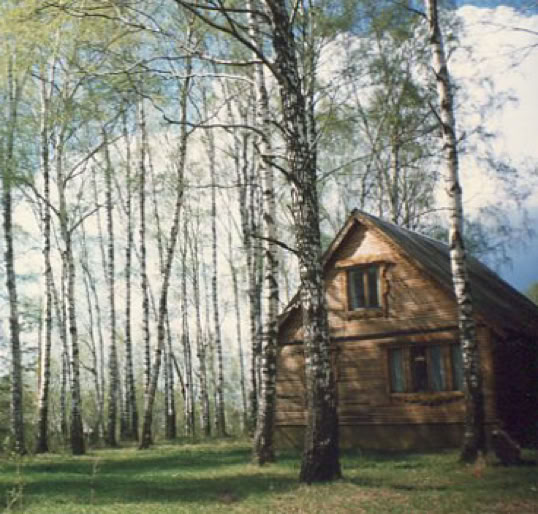
The Composer’s House at Ivanovo
When Sergei Prokofiev completed his Fifth Symphony in the summer of 1944, Europe was still engulfed in World War II. The Soviet Union had endured devastating loss; entire cities lay in ruins, and millions had perished. Yet by that summer, the tide of the war was turning. It was in this moment—poised between suffering and hope—that Prokofiev composed what would become his most celebrated symphonic work.
Prokofiev had returned permanently to the Soviet Union in 1936 after nearly two decades abroad in the United States and Western Europe. The decision was artistically and politically complicated. Soviet cultural authorities demanded music that was accessible, heroic, and ideologically uplifting. At the same time, Prokofiev was a composer of sharp wit, harmonic daring, and psychological complexity. His Fifth Symphony stands at the intersection of these pressures: it fulfills the outward expectations of grandeur and optimism while preserving his unmistakable voice.
The Symphony was written in only a month, in 1944, mostly at the resort of Ivanovo where the Soviet Composers’ Union had made it possible for the nation’s leading musicians—Shostakovich, Miaskovsky, and Khachaturian, as well as Prokofiev—to continue their work away from the war-ravaged cities.
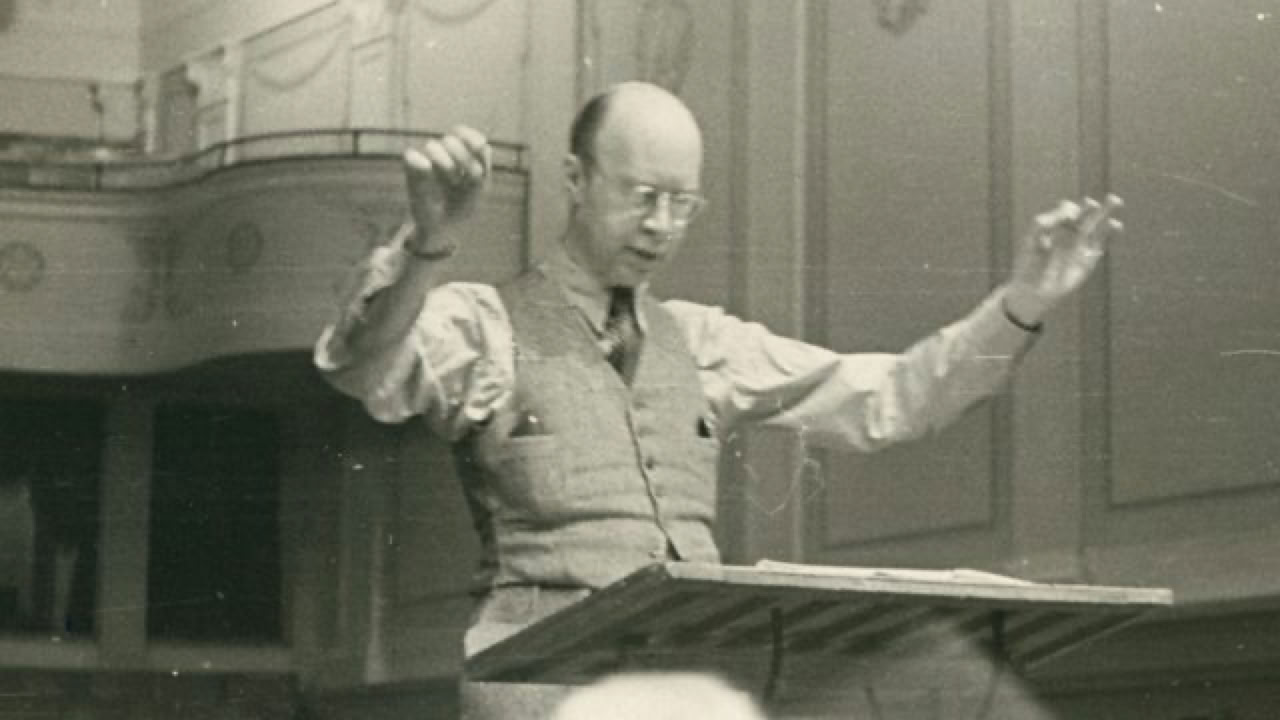
the second depicts his courteous and gentlemanly style (violins)...
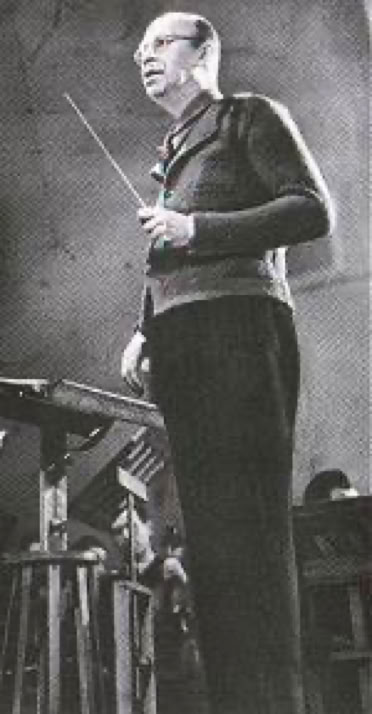
Prokofiev rehearsing an orchestra: his final performance as a conductor was at the première of his Fifth Symphony in Moscow, January 13, 1945
Audio Player
Audio Player
Audio Player
Audio Player
(At 6’3”, Prokofiev was one of the tallest of the great composers. (Rachmaninov stood 6’6”)
The premiere of Symphony No. 5 took place on January 13, 1945, in Moscow, with Sergei Prokofiev himself conducting the State Symphony Orchestra. The atmosphere was electric. As Prokofiev stepped onto the podium, the sound of artillery fire echoed outside—salutes marking a major Red Army advance on the Eastern Front. The audience erupted into prolonged applause before a note was played, sensing the historical weight of the moment. The symphony was received with extraordinary enthusiasm. Soviet critics hailed it as a patriotic masterpiece and a triumphant embodiment of the “heroic spirit” of the people. Internationally, when the work reached the West later that year, it was likewise greeted with admiration; many critics praised its architectural strength, emotional breadth, and orchestral brilliance. Almost immediately, the Fifth Symphony was recognized as one of Prokofiev’s greatest achievements and quickly entered the standard orchestral repertoire, where it has remained ever since.
Enter Text
I. Andante
The opening movement unfolds with quiet nobility. Low strings introduce a broad, spacious theme—calm yet searching—soon taken up by woodwinds and then full orchestra. The music grows organically, building tension through rhythmic propulsion and harmonic color.
Though the movement reaches a glowing orchestral climax, it never feels bombastic. Instead, it suggests aspiration—strength tempered by introspection. Even in its most radiant moments, there is a hint of questioning beneath the surface.

Movement 1-Theme 1
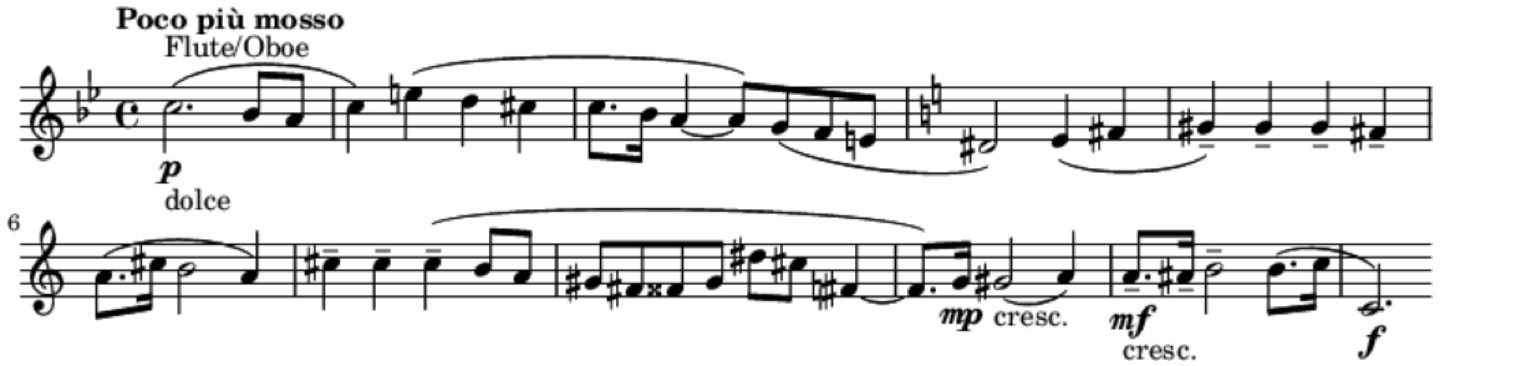
Movement 1-Theme 2
II. Allegro marcato
The second movement functions as a scherzo, but one edged with irony. Its driving rhythms and sharply articulated figures create a sense of mechanical precision. Angular melodies leap unexpectedly, and Prokofiev’s biting humor surfaces in abrupt dynamic contrasts. The movement is a superb example of Prokofiev’s “motoric” style of writing.
A smoother central trio offers lyrical relief, but the return of the scherzo material feels exaggerated—almost satirical. The laughter here is not carefree; it carries a slightly sardonic edge.
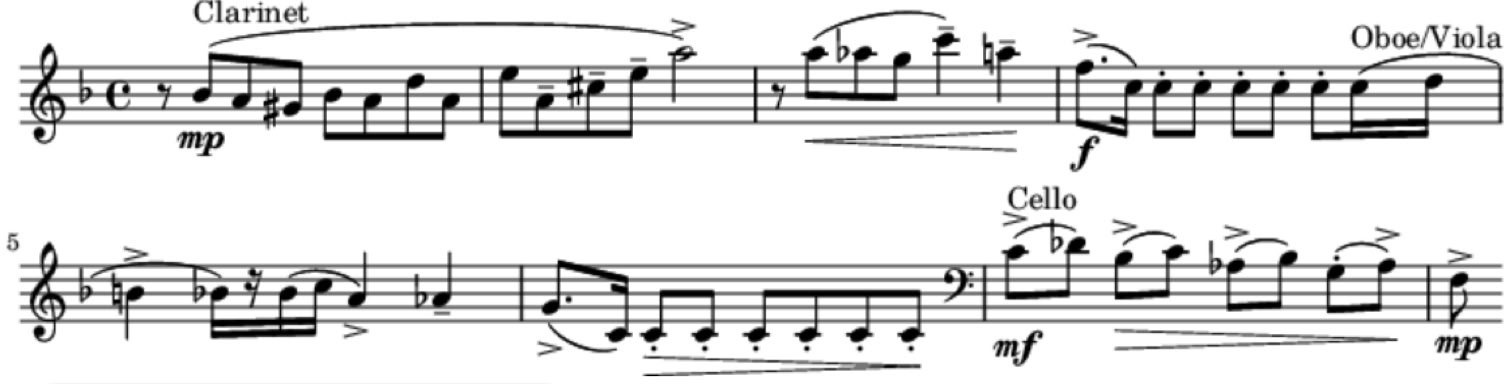
Movement 2 - Theme 1

Movement 2 - Theme 2
III. Adagio
The symphony’s emotional core lies in the Adagio. A long, expansive string melody unfolds with deep lyricism. It should be noted here that Prokofiev considered the ‘lyrical’ element in his music to be the most important, as well as the least-understood by critics and the public.The music gradually intensifies, thickening in texture and darkening in harmony.
At its climax, the orchestra erupts with searing force—one of Prokofiev’s most dramatic passages. Whether heard as wartime grief, existential anguish, or pure musical expression, the effect is overwhelming. The movement ultimately subsides into fragile stillness, as if exhausted.

Movement 3 - Main Theme
IV. Allegro giocoso
The finale opens lightly, almost playfully, in the woodwinds. Gradually, its energy gathers into a brilliant, driving momentum. Themes are transformed and propelled forward with increasing exuberance.
The closing pages blaze with orchestral brilliance. Yet the breathless speed and manic edge of the final bars leave room for interpretation. Is this straightforward triumph? Or a more complex celebration—victory tinged with irony?
Prokofiev leaves the question open.
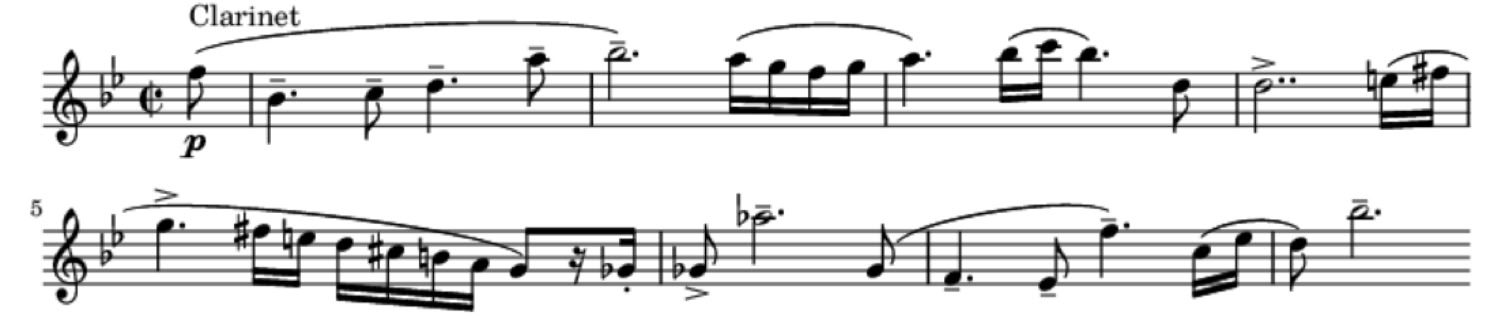
Movement 4 - Theme 1
Movement 4 - Theme 1

Movement 4 -Theme 2
More on Prokofiev
Sergei Sergeyevich Prokofiev (1891–1953) was born on April 27, 1891, in rural eastern Ukraine, then part of the Russian Empire. A formidable musical prodigy, he entered the Saint Petersburg Conservatory at just thirteen, studying composition, piano, and conducting. By the time he graduated in 1914, he had already established himself as a strikingly original voice. He won first prize in piano performance for his own Piano Concerto No. 1—a bold, youthful work that earned him not only recognition but also a grand piano as his prize.
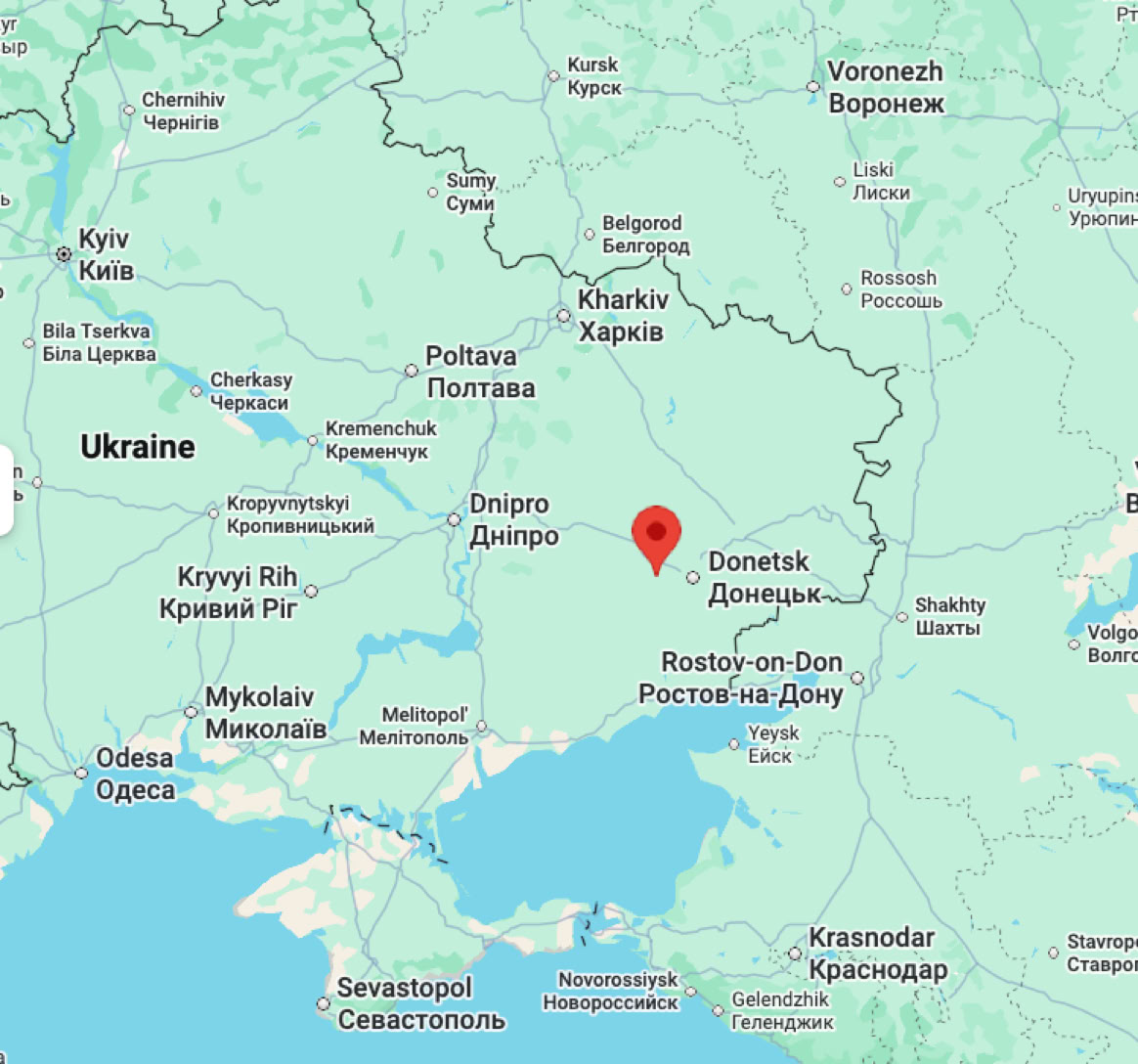
The red indicator is the tiny village of Sontsivka, where Prokofiev was born. The village (population 626) is very close to the Donetsk area and was evacuated in November 2024 due to military operations. Russian troops entered Sontsivka and captured it in mid-December 2024.
In the wake of the 1917 Russian Revolution, the 26-year-old composer made a consequential decision. Believing that his sharp-edged, modernist style might not flourish amid the political upheaval at home, Prokofiev sought opportunities abroad. In 1918 he departed Russia, traveling to the United States by way of Japan. America offered concert engagements and publicity, but his music—brilliant, motoric, and often aggressively modern—bewildered many listeners. One critic famously described his playing as possessing “steel fingers… a tonal steel truss,” capturing both the admiration and unease his artistry inspired.
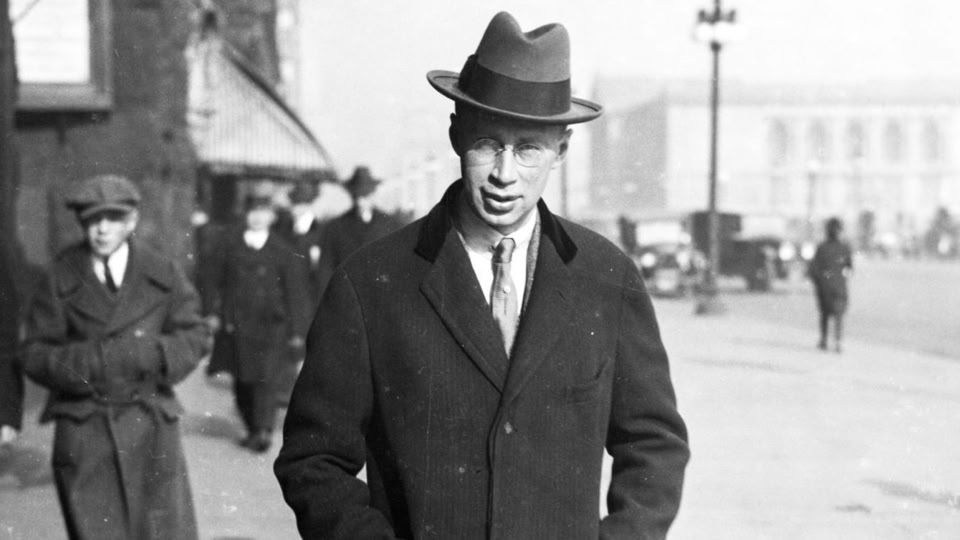
Prokofiev in Chicago, 1919
Finding the American musical world less stimulating than he had hoped, Prokofiev relocated to Paris in 1923, joining the vibrant community of expatriate artists that included fellow Russian composer Igor Stravinsky. Paris became his creative base for over a decade. Yet throughout the late 1920s and early 1930s, Prokofiev made increasingly successful tours of the Soviet Union. These visits were greeted with enthusiasm, and the prospect of stable commissions and official support grew ever more appealing.
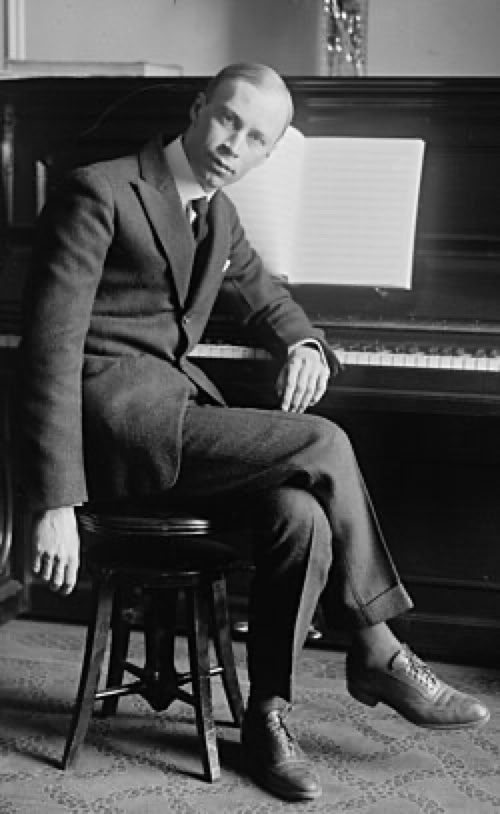
Prokofiev: ‘steel fingers’
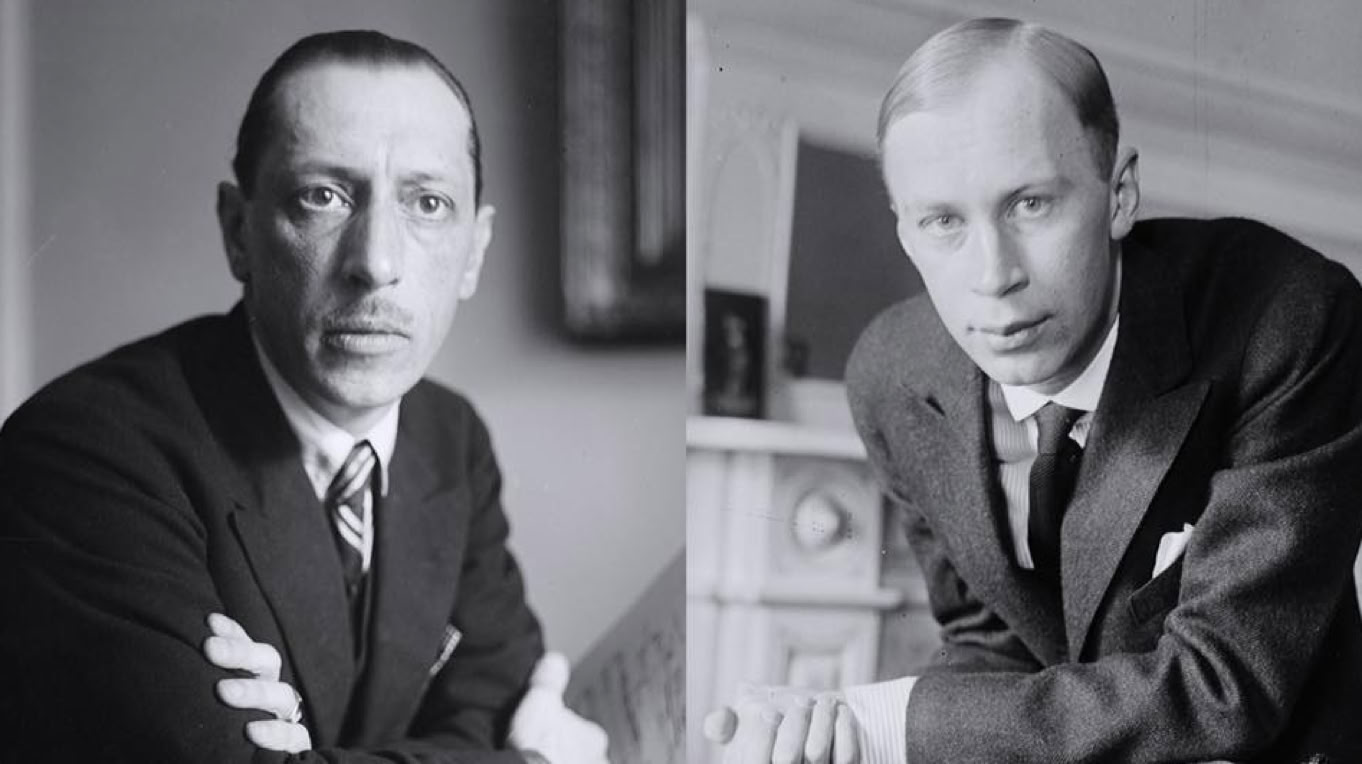
Stravinsky and Prokofiev in the Paris years: Friends? Rivals? Both??
In 1936, in a move that astonished many in the émigré community, Prokofiev returned permanently to the Soviet Union and settled in Moscow. Not all of his colleagues approved. Igor Stravinsky, who chose to remain in the West, reacted with characteristic sharpness. He later dismissed Prokofiev’s decision as “a sacrifice to the bitch goddess of greed and nothing else,” suggesting that financial insecurity in France and the promise of triumphs in Moscow had motivated the composer’s return.
Stravinsky’s remark reveals as much about the competitive tensions of the émigré circle as it does about Prokofiev’s decision. In truth, Prokofiev’s return was shaped by a complex mixture of artistic ambition, homesickness, financial pressure, and the Soviet government’s assurances of support. Those assurances would ultimately prove precarious.
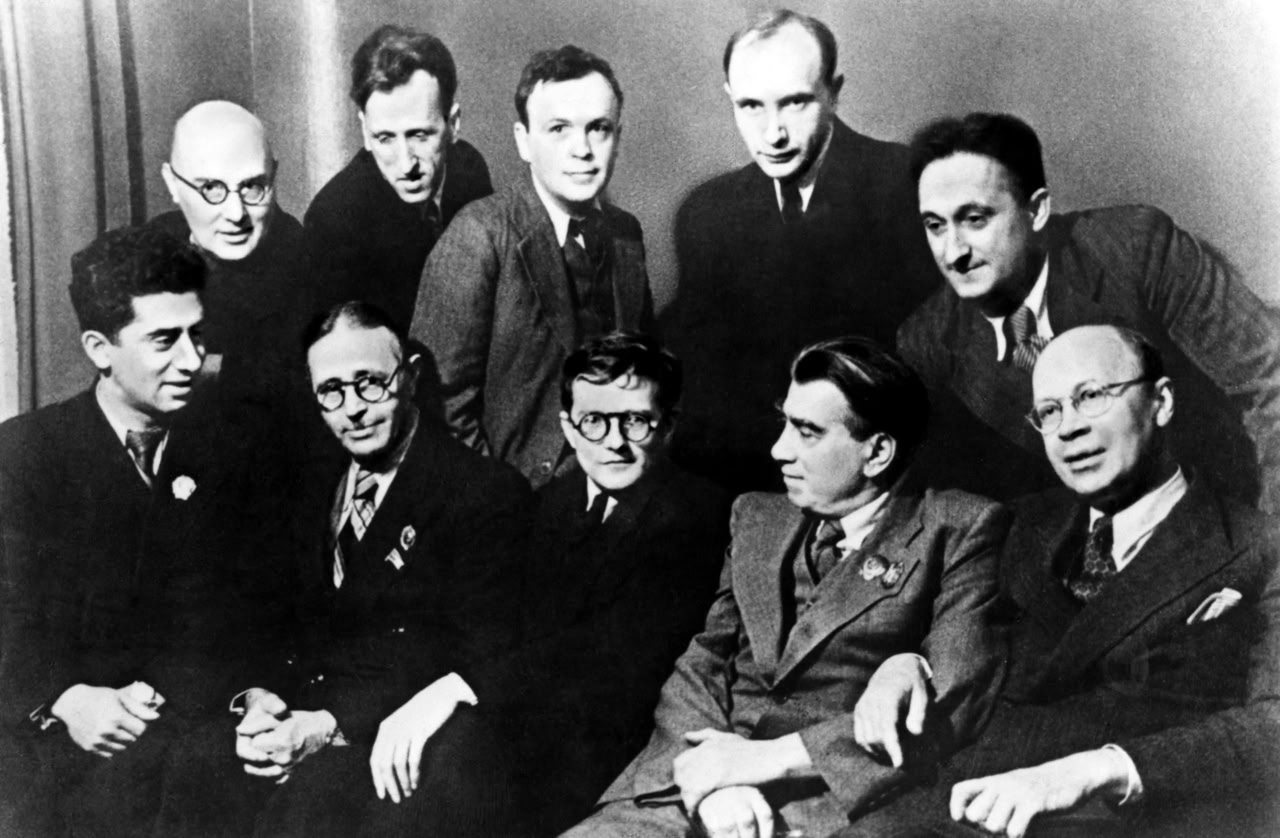
Russian composers in the Soviet Union: can you identify the “Big Five” (Glière, Shostakovich, Prokofiev, Khachaturian, Kabalevsky)?
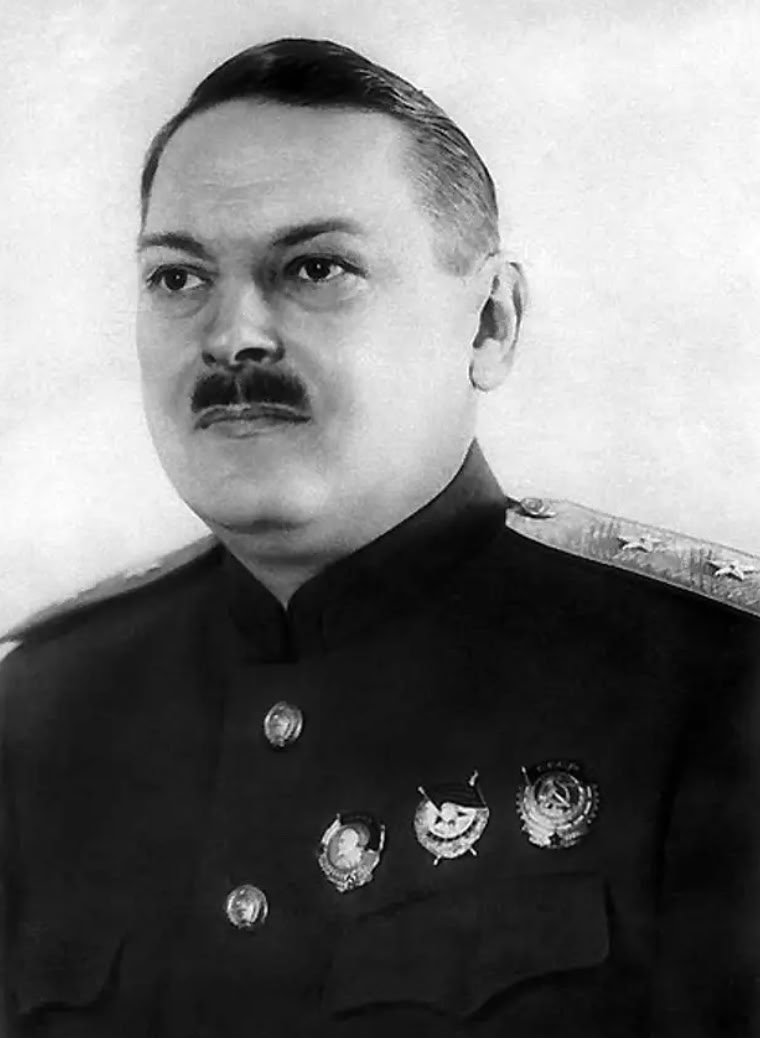
Andrei Zhdanov
By the late 1930s and 1940s, Soviet artistic policy hardened. Like many composers of his generation, Prokofiev was accused of “formalism”—a charge leveled against music considered too modern or insufficiently accessible. Several of his works were criticized or restricted, and his freedom to travel internationally came to an end.
At left, a photo of Andrei Ahdanov. Zhdanov was a powerful Soviet cultural official and close associate of Stalin who, in 1948, spearheaded a campaign against so-called “formalism” in music. Under what became known as the Zhdanov Decree, composers including Prokofiev, Shostakovich, and Khachaturian were publicly condemned for writing music deemed insufficiently accessible to the Soviet people.
Prokofiev’s final years were marked by declining health and increasing political pressure. He died in Moscow on March 5, 1953—the same day as Joseph Stalin, an eerie coincidence that overshadowed news of the composer’s passing. In 1955, two years after his death, official sanctions against his music were lifted. Today, Prokofiev stands as one of the towering figures of 20th-century music: a composer whose biting wit, lyricism, rhythmic vitality, and profound emotional depth continue to captivate audiences worldwide.
Prokofiev’s Creed?
“Here is how I feel about it: I care nothing for politics—I'm a composer first and last. Any government that lets me write my music in peace, publishes everything I compose before the ink is dry, and performs every note that comes from my pen is all right with me.”