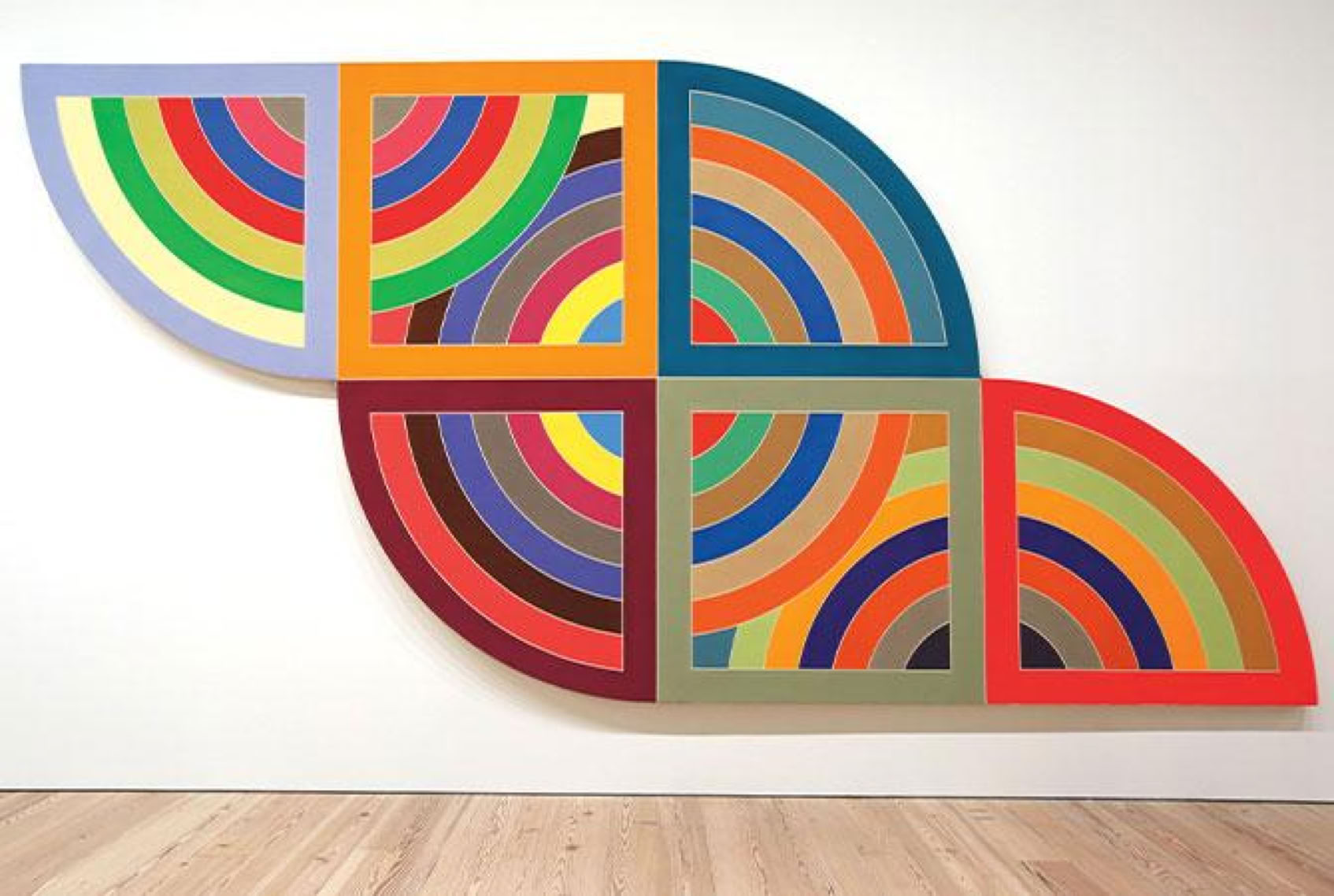
Minimalist Art:
Less is More—or Is It?
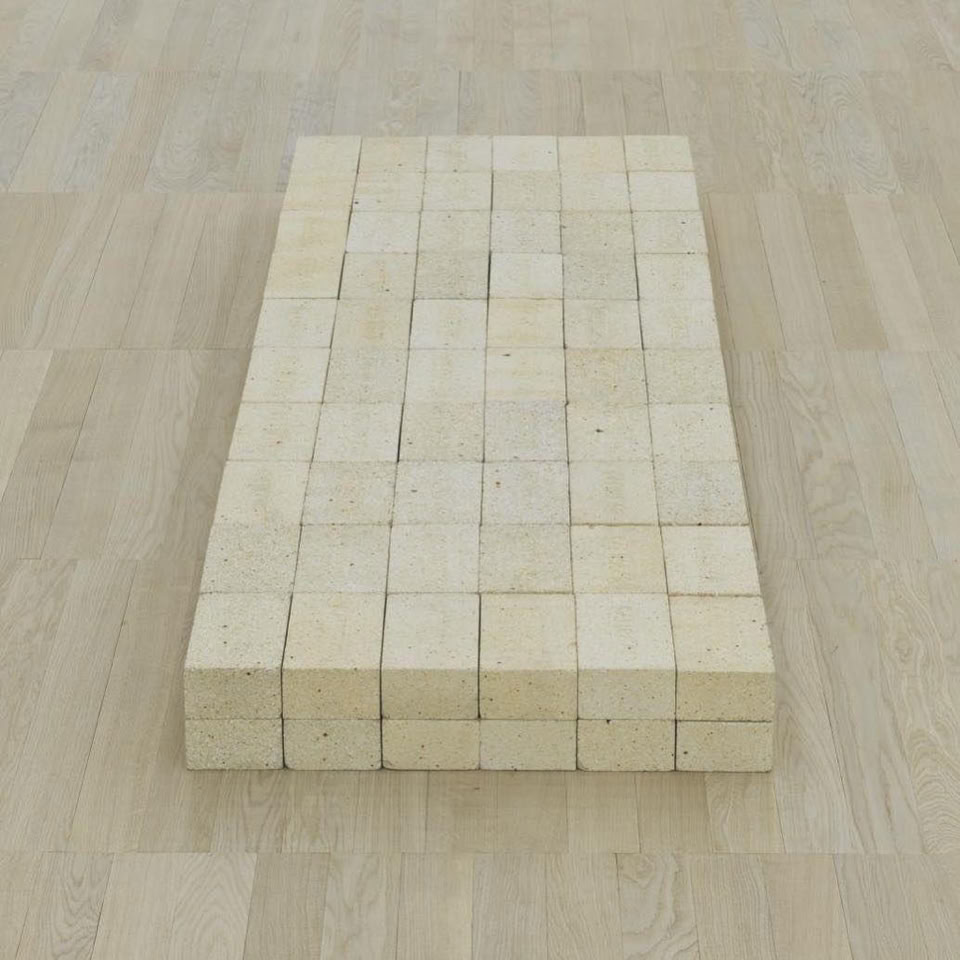
Carl Andre: Equivalent VIII (1966)
During the 1960s, a remarkable transformation was taking place in American art. Some artists began abandoning the emotional gestures and visual complexity of Abstract Expressionism in favor of simple geometric forms, repetition, industrial materials, and carefully organized structures.
But simplicity did not necessarily mean a lack of imagination!
From ordinary bricks and fluorescent lights to geometric paintings and intricate wall drawings, Minimalist artists demonstrated how surprisingly rich and varied simplicity could become.
And as we explore their work, we'll discover some fascinating parallels with the musical Minimalists.
Donald Judd
1928–1994
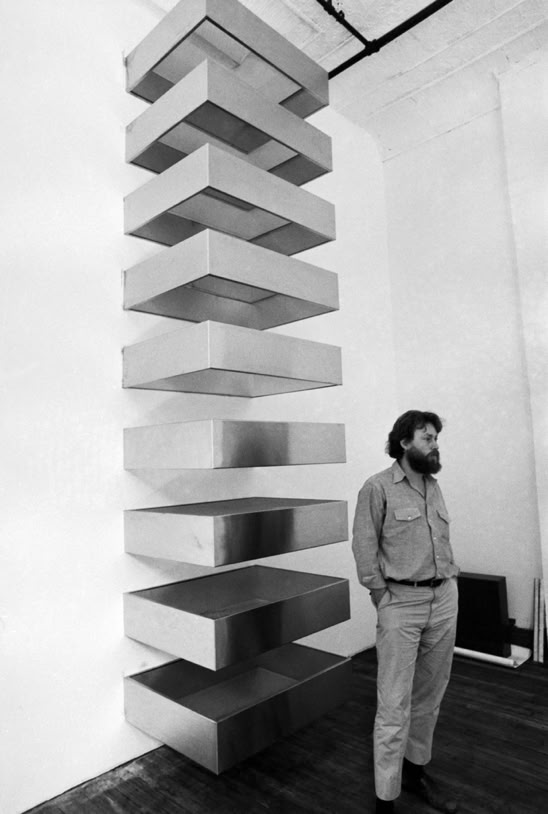
Can a series of identical boxes become a work of art?
Donald Judd certainly thought so! Rejecting traditional sculpture and its emphasis on storytelling or representation, he created striking three-dimensional works using simple geometric forms and industrial materials.
His famous stacks consist of repeated rectangular units mounted vertically on a wall, with equal spaces between them. But notice something fascinating: the empty spaces are just as important as the objects themselves.
Much as musical Minimalists explored repetition and carefully organized patterns, Judd discovered extraordinary visual possibilities in seemingly simple arrangements.
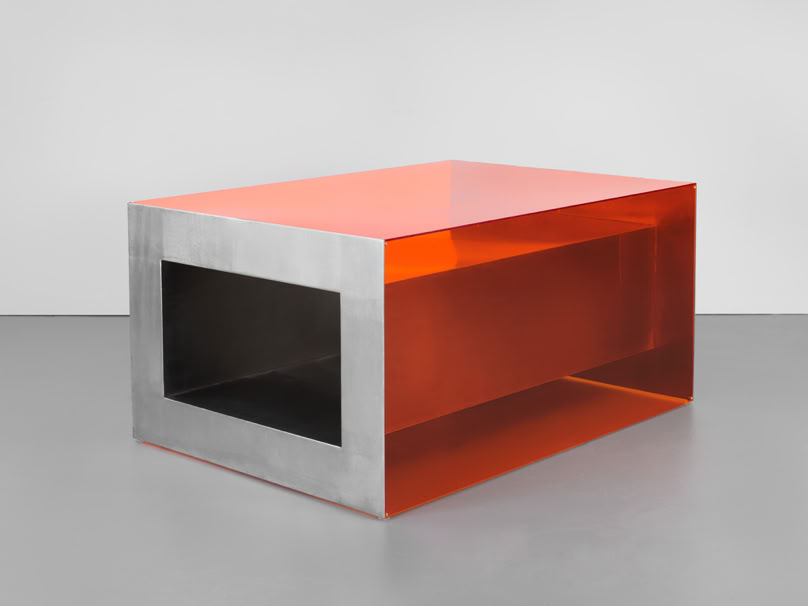
Untitled (1968)

100 untitled works in mill aluminum (1982–1986)
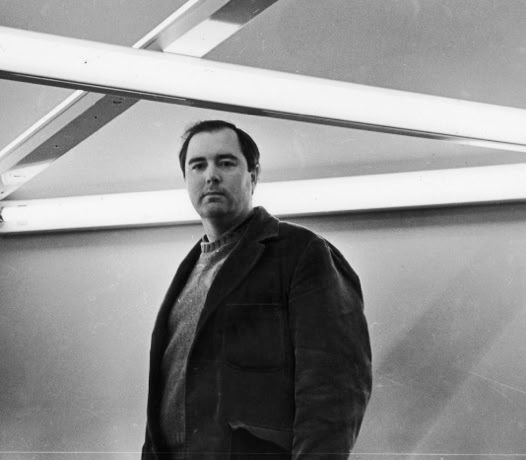
Dan Flavin
1933-1996
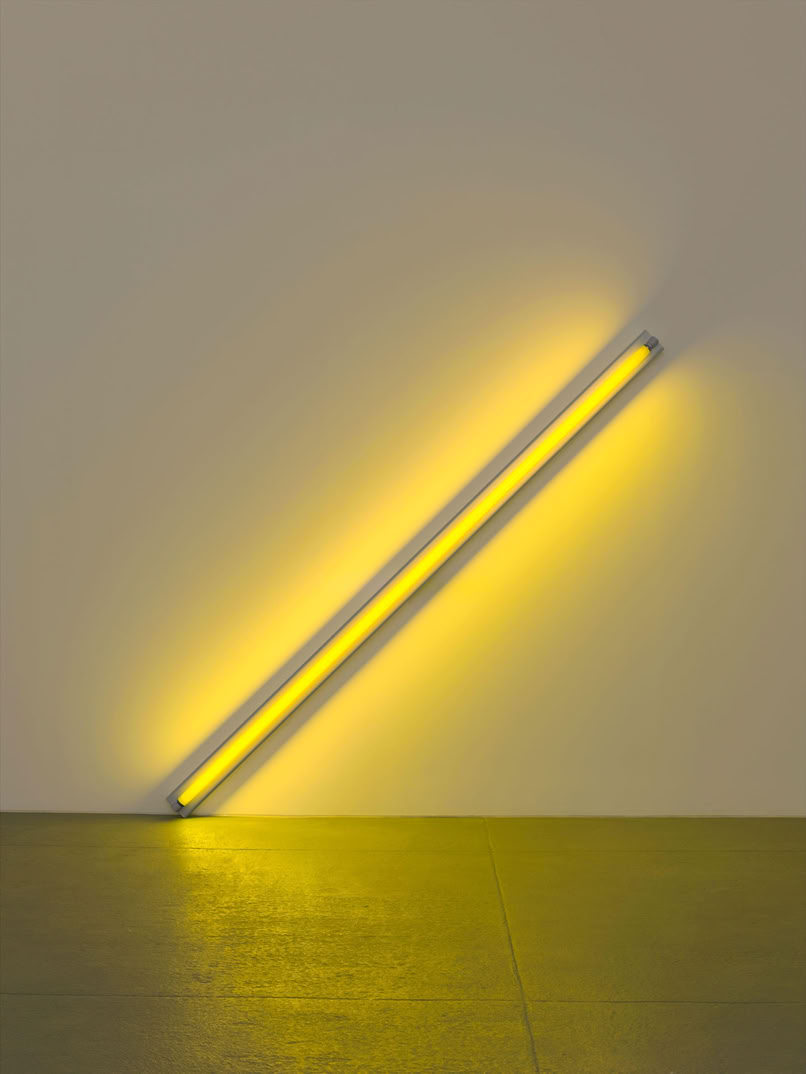
the diagonal of May 25, 1963 (to Constantin Brancusi)
Can an ordinary fluorescent light tube become a work of art?
For Dan Flavin, the answer was a resounding YES!
Beginning in the early 1960s, Flavin created remarkable works using commercially available fluorescent tubes. Rather than painting light or representing it in sculpture, he made light itself the artistic medium.
Sometimes a single glowing tube was enough. In other works, carefully arranged colored lights transformed entire rooms, bathing walls, floors, and even visitors in radiant color.
And here is a fascinating parallel with musical Minimalism: Flavin could create an extraordinary experience from an extremely limited set of materials—just as a composer might build an entire piece from a handful of notes or a simple repeating pattern.
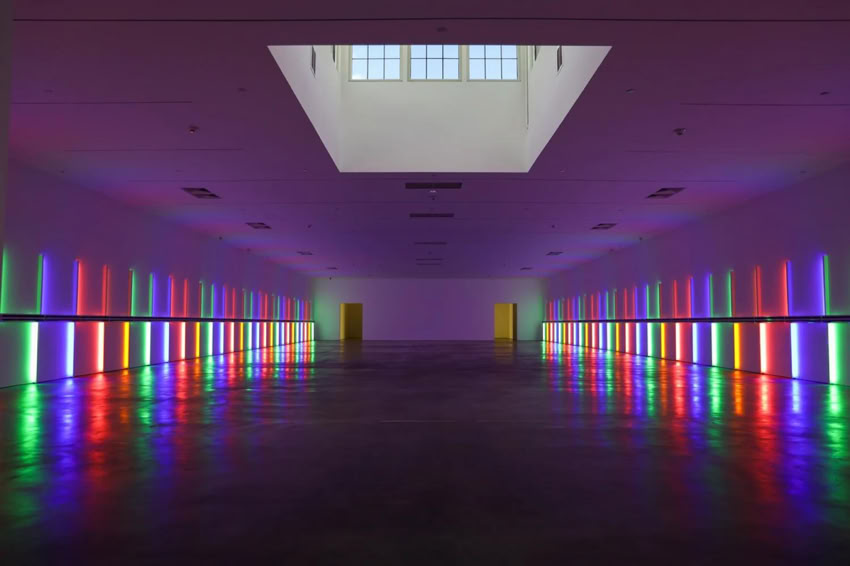
untitled (1966)
Richmond Hall, The Menil Collection, Houston
Video Player
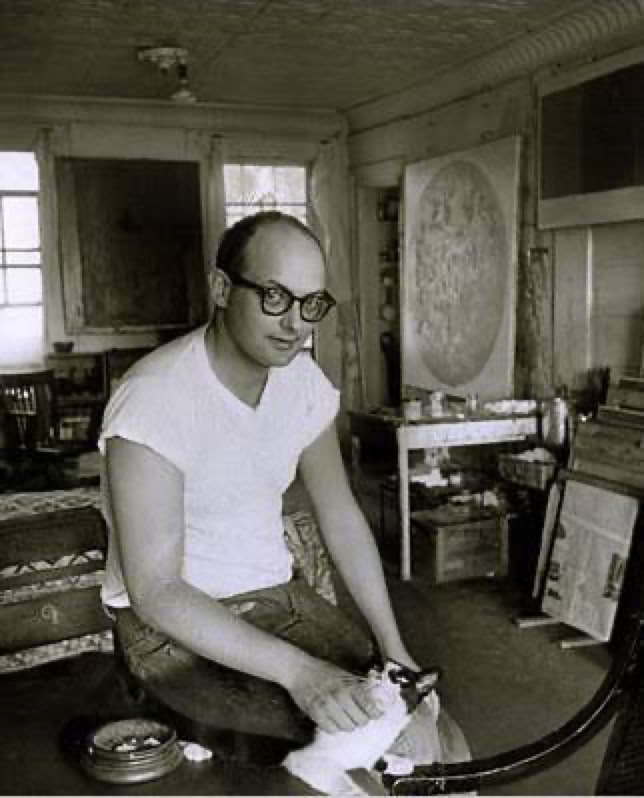
Sol LeWitt
1928-2007
Video Player
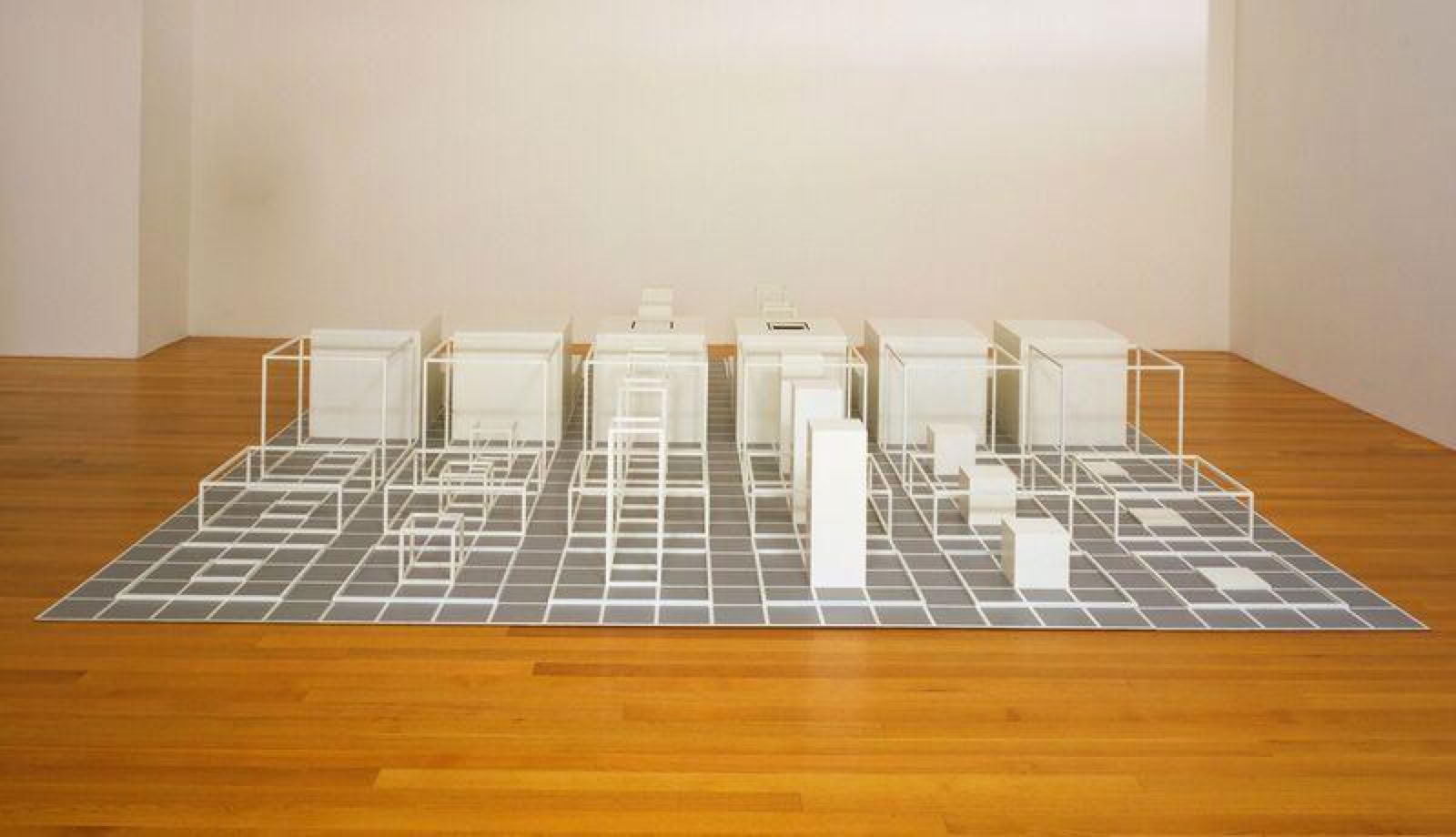
Serial Project, I (ABCD) (1966)
Can an artist create a work of art without actually making it?
Sol LeWitt believed the answer was YES!
One of the pioneers of both Minimalism and Conceptual Art, LeWitt explored how simple geometric forms and carefully devised rules could produce works of astonishing variety and complexity.
His famous Wall Drawings were often executed not by LeWitt himself, but by assistants following his written instructions. The artist supplied the idea; others brought it to life.
And here is a wonderful connection to music: a composer writes a score, but performers turn those instructions into a living experience. In much the same way, a LeWitt wall drawing can be recreated in different locations by different people, while remaining fundamentally the same artwork.
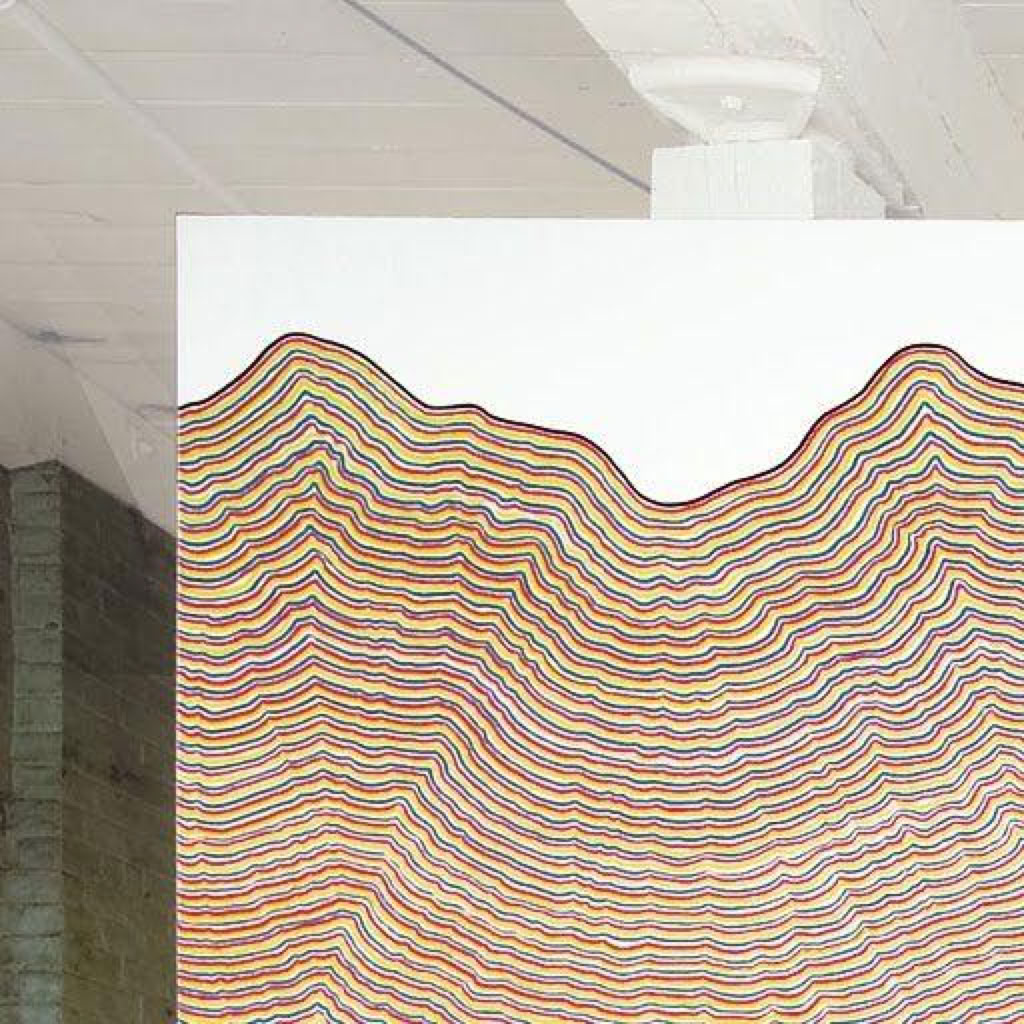
Wall Drawing 797 (1995)
Carl Andre
1935-2024
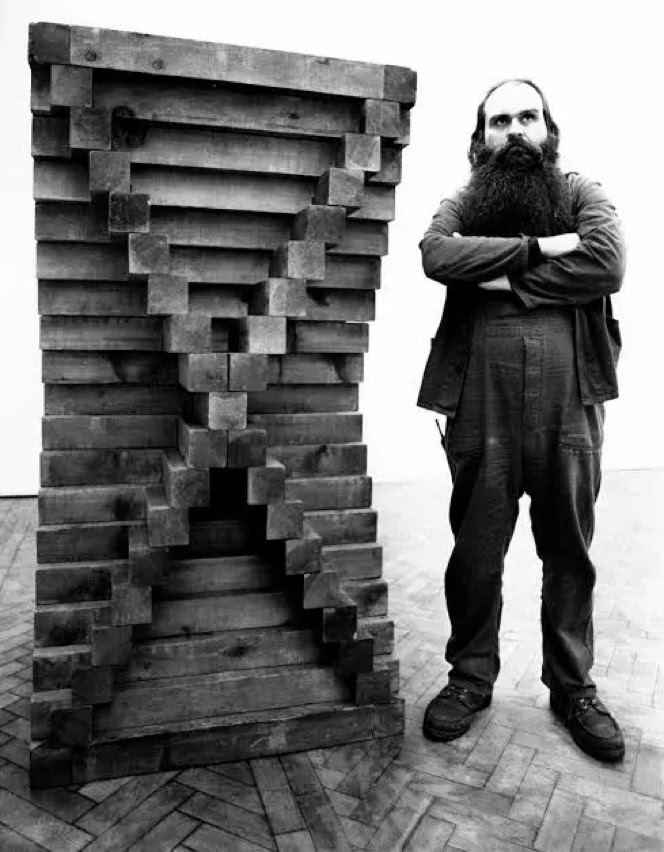
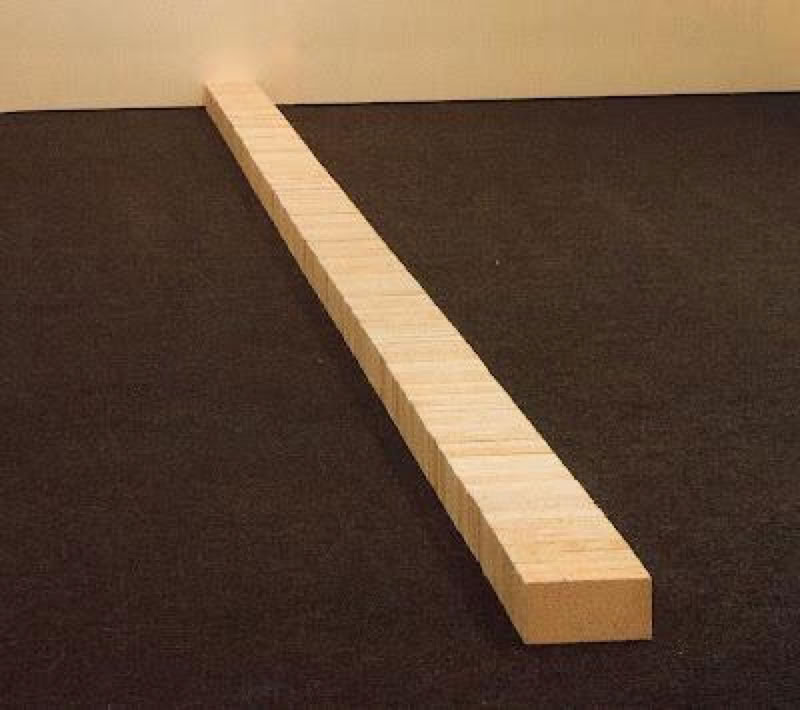
Lever (1966)
Can a pile of ordinary bricks—or a few metal plates on the floor—really be called sculpture?
Carl Andre thought so!
One of Minimalism's most provocative artists, Andre abandoned the traditional idea of sculpture as something carved, modeled, or placed on a pedestal. Instead, he arranged ordinary industrial materials—bricks, wood, steel, copper, and aluminum—into simple geometric configurations, often directly on the floor.
Visitors could sometimes walk across his sculptures, experiencing them not merely as objects to look at, but as part of the surrounding space.
For Andre, the arrangement of materials—and our physical relationship to them—was the artwork.
And here's another connection to musical Minimalism: just as a composer might create an entire piece from a handful of repeated notes, Andre could create a sculpture from repeated units of the simplest possible materials.
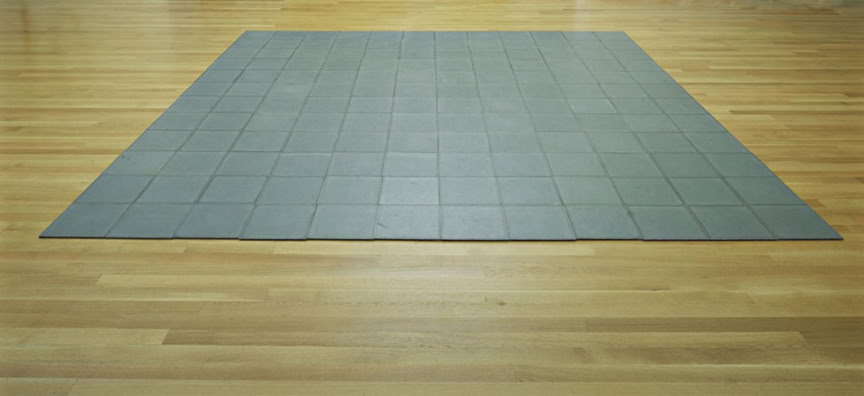
144 Lead Square (1969)
Agnes Martin
1912-2004

Can a painting made of little more than straight lines and pale colors stir our emotions?
Agnes Martin believed it could.
Her paintings often consist of delicate grids, faint horizontal lines, and subtle washes of color. At first glance, they may appear almost empty. But look a little longer, and tiny variations in line, color, and texture begin to emerge.
Unlike artists who sought dramatic visual effects, Martin wanted her paintings to evoke feelings of tranquility, happiness, and beauty.
For Martin, simplicity was not an absence of emotion—it was a way of discovering it.
And here is a particularly beautiful connection to musical Minimalism: just as a slowly changing musical pattern can gradually transform our experience of time, Martin's paintings invite us to slow down, look carefully, and discover how much can happen when seemingly very little is happening.
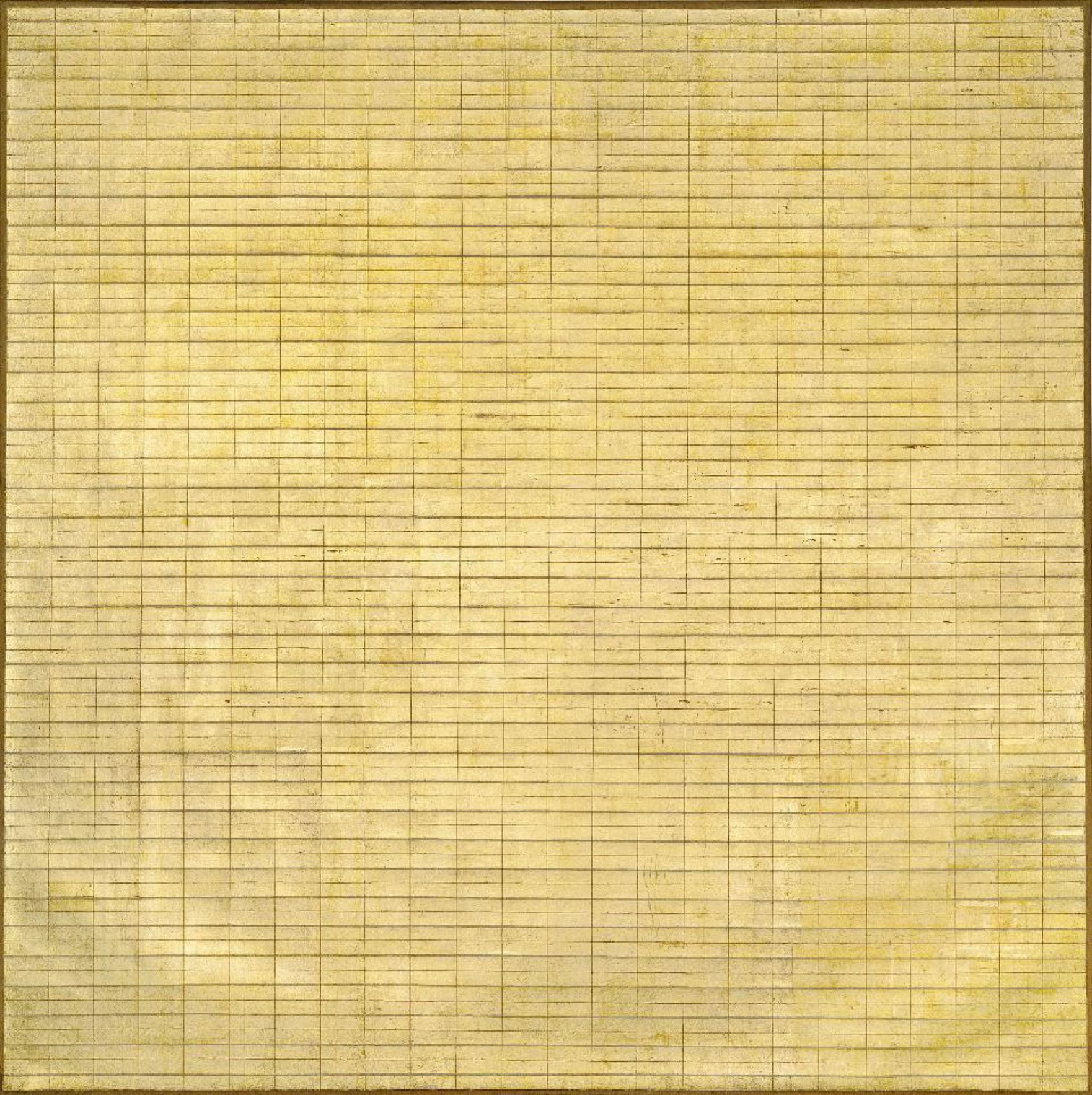
Friendship (1963)
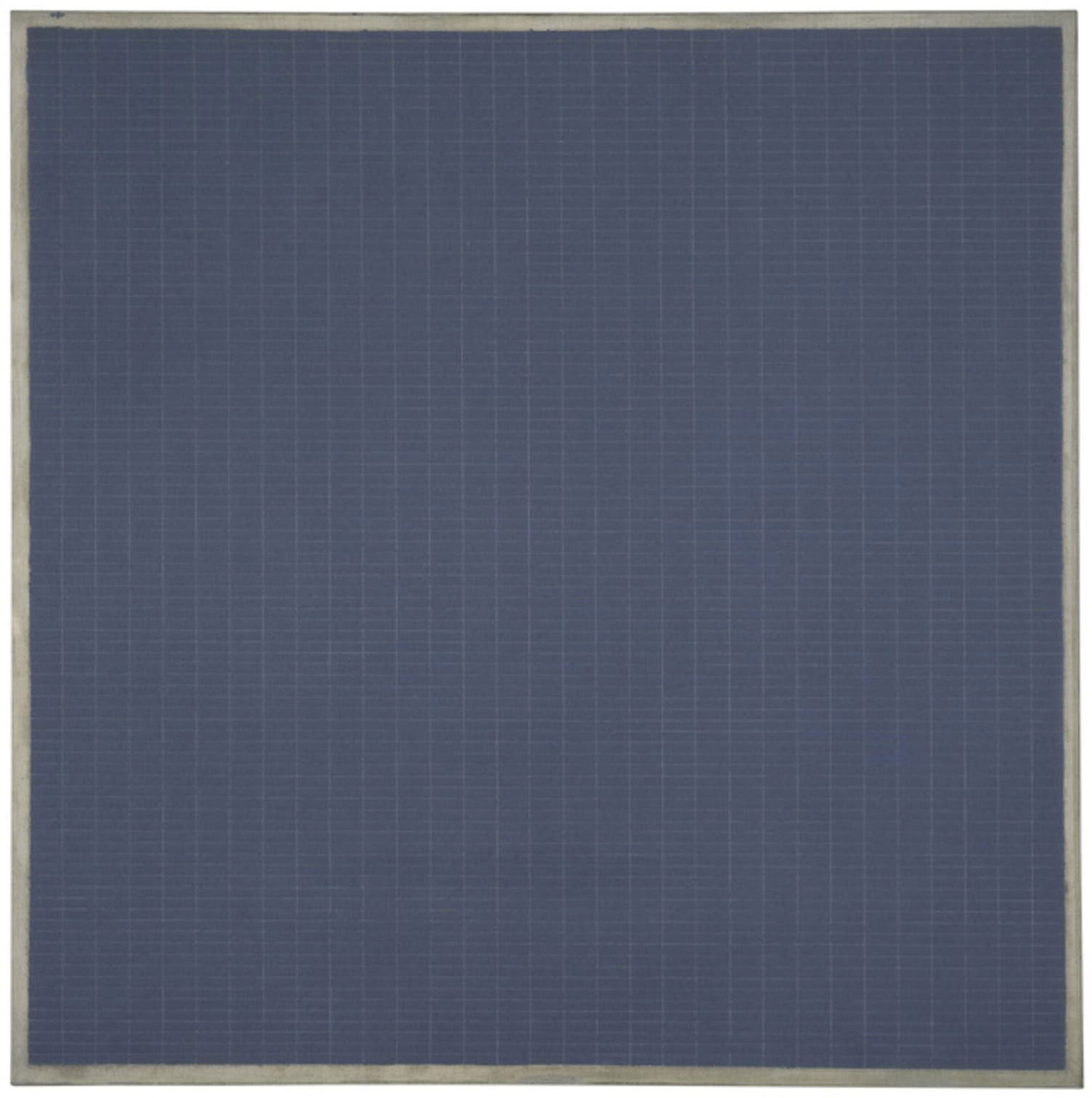
Night Sea (1963)
Frank Stella
1936-2024
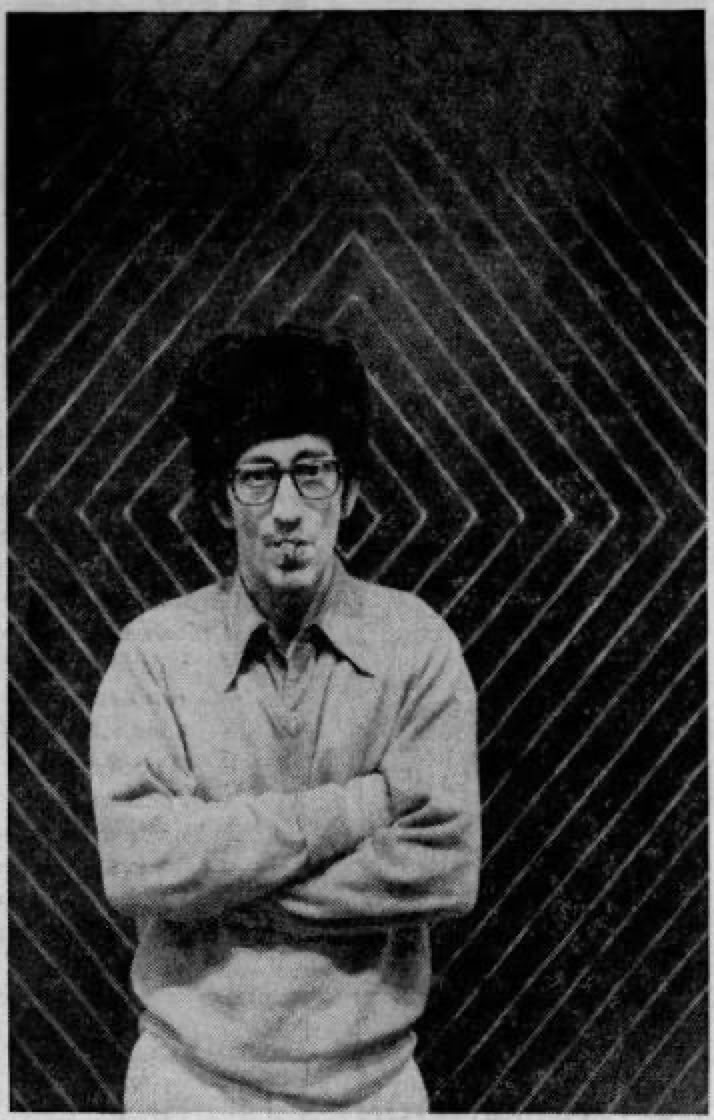
What happens when a Minimalist artist decides that less isn't necessarily more?
Frank Stella offers a spectacular answer!
In the late 1950s, Stella helped revolutionize painting with his famous Black Paintings: stark arrangements of black stripes separated by narrow lines of unpainted canvas. There were no recognizable objects, no stories, and no hidden symbolism. The painting was simply what you saw.
But Stella didn't stop there! As his career developed, his work became increasingly colorful, adventurous, and complex, eventually expanding beyond the flat canvas into extraordinary three-dimensional forms.
Stella began with the simplest visual patterns—and discovered a world of almost limitless possibilities.
And here is a fitting final connection to music: like John Adams, Stella began by exploring the possibilities of Minimalism, but refused to remain confined by them. For both artists, simplicity was a beginning, not an ending.
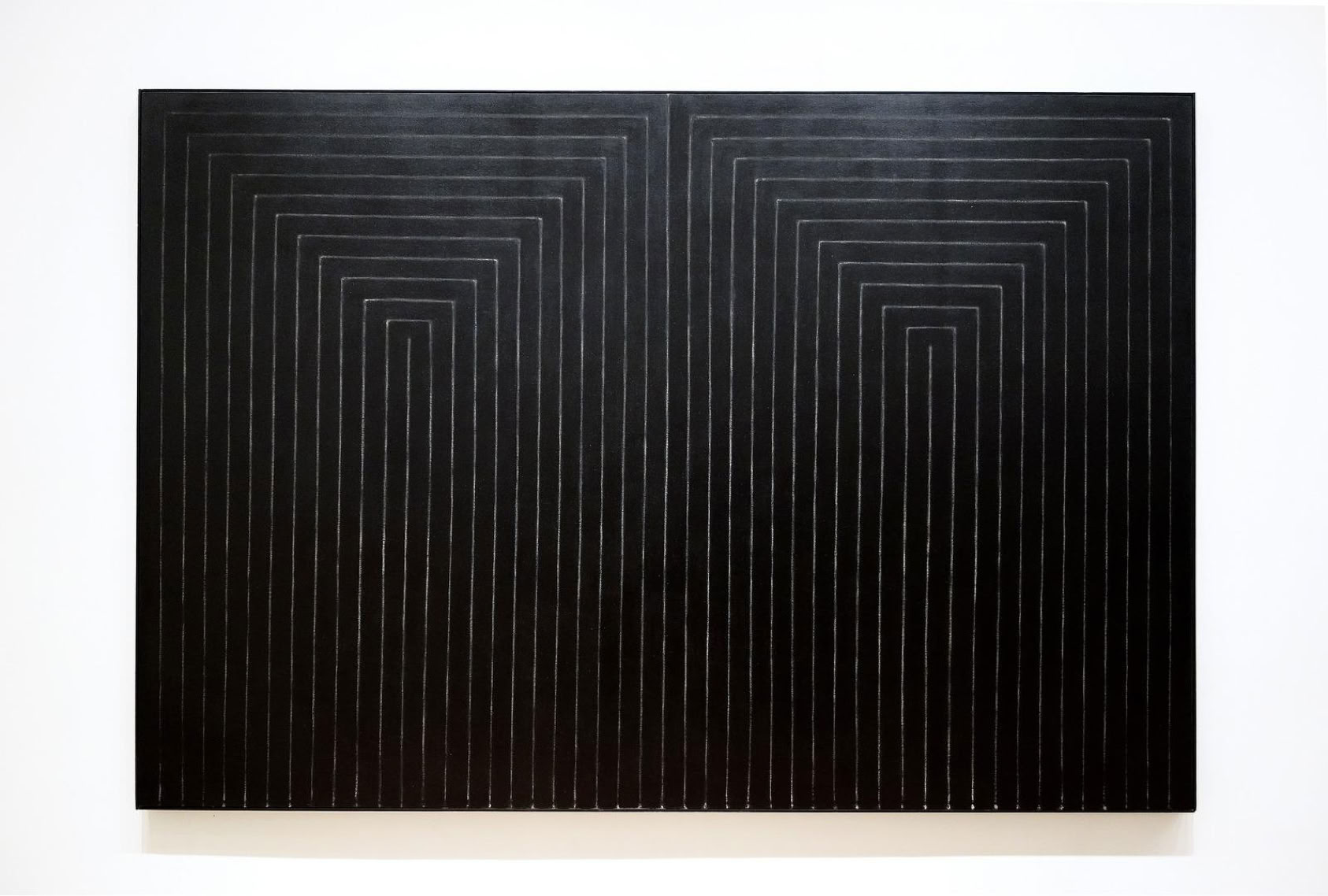
The Marriage of Reason and Squalor, II (1959)